

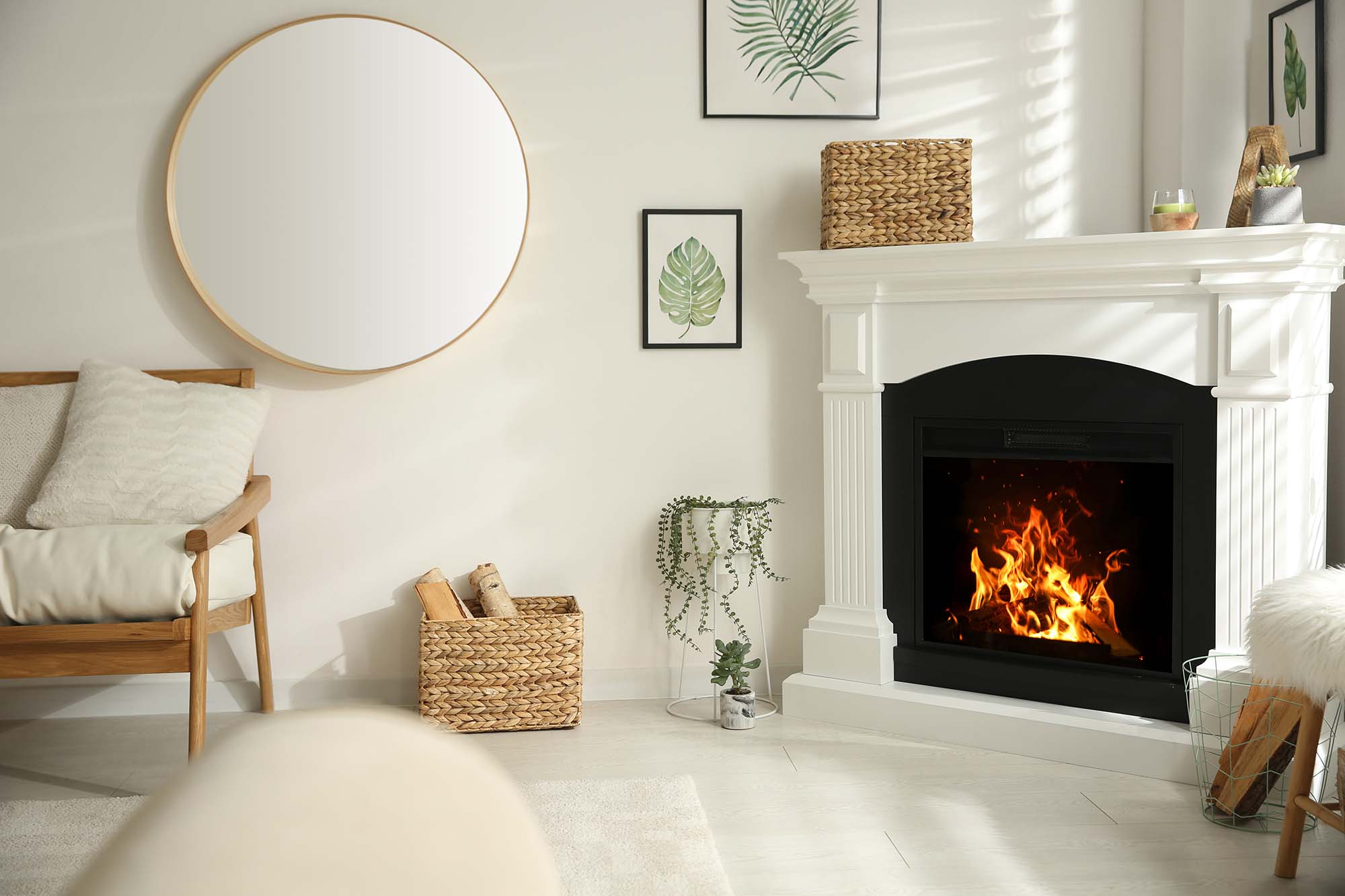
A fireplace naturally attracts attention, whether it is the centrepiece of a living room, a feature in a finished basement, or part of an open-concept family space. The tile surrounding it can make that feature feel refined, dramatic, traditional, or contemporary. Choosing the right tile, however, involves more than finding a pattern that looks appealing in a sample. Scale, colour, texture, grout, the fireplace opening, and the materials elsewhere in the room all influence the final result.
For Windsor homeowners updating a living space, a tiled fireplace surround can introduce visual interest without requiring a complete renovation. The key is to decide what role the fireplace should play in the room. Should it quietly complement the furniture, or should it become the defining feature? A clear answer makes it easier to select tile that feels intentional rather than overpowering.
Decide How Much Attention the Fireplace Should Receive
Before choosing a tile, look at the room as a whole. A fireplace surrounded by a large television, built-in shelving, decorative lighting, and substantial furniture already shares attention with several features. In this setting, a restrained tile may help the room feel balanced.
If the walls and furnishings are relatively simple, the fireplace may offer an opportunity for a more distinctive design. A strong colour, pronounced texture, or geometric arrangement can create a focal point without competing with too many other elements.
Consider the fireplace's proportions as well. A wide, low fireplace may suit a different layout from a tall feature that extends towards the ceiling. The tile should relate to the shape of the wall and the scale of the room, rather than appearing like a small decorative panel placed without a wider plan.
Take photographs of the room and note the dominant colours, materials, and lines. This makes it easier to compare tile samples against the existing design and identify whether the fireplace needs contrast, continuity, or a combination of both.
Choose Tile Size for the Surround
Tile size affects how many grout joints appear across the fireplace and how the surround's proportions are perceived. Large-format tile can create a relatively continuous surface, allowing colour or natural-looking pattern to take the lead. Smaller tile can introduce more detail and a stronger sense of rhythm.
A large tile may work well on a broad, uncomplicated surround, but it can require substantial cutting around the firebox and adjacent edges. A smaller format may be easier to arrange around certain shapes, although more joints will be visible. The best choice depends on the dimensions of the surround and the installation requirements of the selected product.
Do not choose a format based only on how it looks on a showroom display. A sample that appears understated on a large board may feel much busier when repeated across a narrow surround. Conversely, a tile with a subtle pattern may lose its character if the finished area is too small.
Ask the installer to consider the layout before ordering. Planning where the tile begins and where cuts will fall can help avoid narrow slivers at the edges or an unbalanced arrangement around the opening.
Use Colour to Connect the Fireplace With the Room
Tile colour can either blend the fireplace into the room's palette or create a deliberate contrast. Neutral colours such as warm white, beige, and soft grey can complement many interior styles, while deeper tones may add definition to a light-coloured room.
If the room contains warm wood furniture, flooring, or cabinetry, consider whether a warm or neutral tile will work naturally with those materials. A cooler tile can still create an effective contrast, but it should be selected intentionally rather than by comparing isolated samples.
For a contemporary interior, a limited palette can help the fireplace feel integrated with the surrounding architecture. For a more expressive room, patterned or richly coloured tile may provide a focal point. The objective is to create a relationship between the fireplace and the rest of the room, not necessarily to match every surface.
Lighting can change how tile colours appear. Daylight, lamps, and the changing light around a fireplace may reveal different undertones throughout the day. Compare samples in the room and view them beside wall paint, furniture, and any nearby flooring before making a final decision.
Consider Texture and Surface Finish
Tile texture can add depth even when the colour remains understated. A subtly textured surface may create shadows that change with the light, while a smoother finish can produce a cleaner, more uniform appearance.
Stone-look and concrete-look tiles can complement interiors built around natural materials, while polished surfaces may contribute a more formal or contemporary effect. The appropriate finish depends on the style of the room and the product's suitability for the intended application.
Texture should not be considered in isolation. If the room already includes heavily grained wood, patterned upholstery, textured wall finishes, and decorative accessories, a simple tile may provide a welcome visual pause. If the room is minimal, texture may help the fireplace feel more substantial without introducing a strong colour.
Review the manufacturer's specifications before choosing a tile for a fireplace surround. Not every tile is suitable for every location near a heat source, and product approval must be confirmed for the actual installation conditions.
Understand the Fireplace's Heat Requirements
A fireplace surround is not the same as an ordinary decorative wall. Temperatures can vary according to the appliance, the distance from the opening, the construction of the surround, and the manufacturer's requirements. The tile and installation materials must be suitable for the intended location.
Before purchasing tile, identify the type of fireplace involved, such as a wood-burning unit, gas fireplace, or electric model. Each installation may have different clearances, substrate requirements, and restrictions. Follow the fireplace manufacturer's instructions and applicable building and fire-safety requirements.
Do not assume that a tile is suitable for use close to a fire simply because it is ceramic or porcelain. The complete installation includes the substrate, mortar, grout, and any other materials specified for the surround. Each component must be appropriate for the conditions in which it will be used.
If the existing fireplace is being altered, consult qualified professionals to confirm whether the proposed design affects required clearances, ventilation, or the appliance's installation. Decorative changes should never compromise the fireplace's safe operation.
Choose Grout That Supports the Design
Grout colour can change the appearance of the surround as much as tile colour itself. A grout shade close to the tile can create a more continuous surface, while a contrasting colour makes the individual pieces more prominent.
For a fireplace intended to feel calm and understated, a closely matched grout may allow the tile's texture or pattern to stand out without creating a strong grid. If the tile layout is geometric or decorative, contrasting grout can emphasize the arrangement.
Joint width also matters. The appropriate width depends on the tile's dimensions, edge characteristics, and manufacturer recommendations. It should not be reduced simply to make the tile appear more seamless if the product requires a wider joint.
Compare grout samples beside the actual tile and consider how the finished surround will look from across the room. Because the fireplace is often viewed from a distance, the overall pattern may matter more than the appearance of a single joint up close.
Plan Around the Firebox and Mantel
The layout should be designed around the firebox opening, mantel, hearth, and surrounding wall. These features establish strong horizontal and vertical lines that can help guide the tile arrangement.
For some surrounds, aligning the tile joints with the centre of the firebox creates a balanced appearance. In other cases, the dimensions of the tile and wall may make a different starting point more practical. The installer should consider the complete layout instead of automatically centring every pattern.
If the surround includes a mantel, consider how the tile will meet its edges. The transition should look deliberate, with appropriate finishing details and no awkward gaps. A design that extends to the ceiling requires additional attention to height, alignment, and the treatment of the top edge.
Where the fireplace includes a hearth, determine whether the tile will continue across it or meet a different material. The selected products must be suitable for their respective locations, and any changes in level should be planned as part of the design.
Coordinate Tile With the Flooring
The fireplace and floor occupy different planes, but they contribute to the same visual composition. Their colours and textures should work together, especially when the fireplace is located in an open-concept living area.
If the room has wood or laminate flooring, tile can introduce a contrasting texture that defines the fireplace area. The colours do not need to match exactly, but they should share a compatible undertone or create a deliberate contrast.
Where tile flooring continues through the room, consider whether the fireplace surround should repeat that tile or use a different format. Repeating a material can establish continuity, while a distinct surround can create a focal point. The right decision depends on the amount of pattern and texture already present.
Explore the tile selection at Marquis Tile when comparing styles for a fireplace or adjoining floor. Check the suitability of each product for the intended application before finalizing the design.
Think About Cleaning and Long-Term Appearance
A fireplace surround may collect dust, soot, or residue depending on the type of fireplace and how it is used. The amount of maintenance required depends on the tile surface, grout, and surrounding construction.
Smooth surfaces may be straightforward to wipe, while textured surfaces can require more careful cleaning. Grout can also need attention, particularly where the fireplace is used frequently. Follow the manufacturer's cleaning recommendations and avoid products that may damage the tile or grout.
Consider how the finish will look after years of use. A dramatic pattern may make a strong statement today, but a more restrained design may provide greater flexibility if you change furniture or wall colours in the future. There is no single correct choice; the important point is to understand the visual commitment before installing the tile.
Explore Fireplace Tile Options With Marquis Tile
A well-planned tiled fireplace surround brings together colour, scale, texture, layout, and safety requirements. By deciding how prominent the fireplace should be, checking product suitability, and coordinating the tile with the mantel and surrounding finishes, Windsor homeowners can create a feature that feels connected to the room rather than separate from it.
Marquis Tile is located in nearby Tecumseh, making it a convenient option for homeowners planning projects in Windsor and the surrounding area. Browse the tile collection for ideas and contact Marquis Tile to discuss your renovation. A thoughtful tile selection can give your fireplace a distinctive finish while keeping the overall room balanced and welcoming.


