

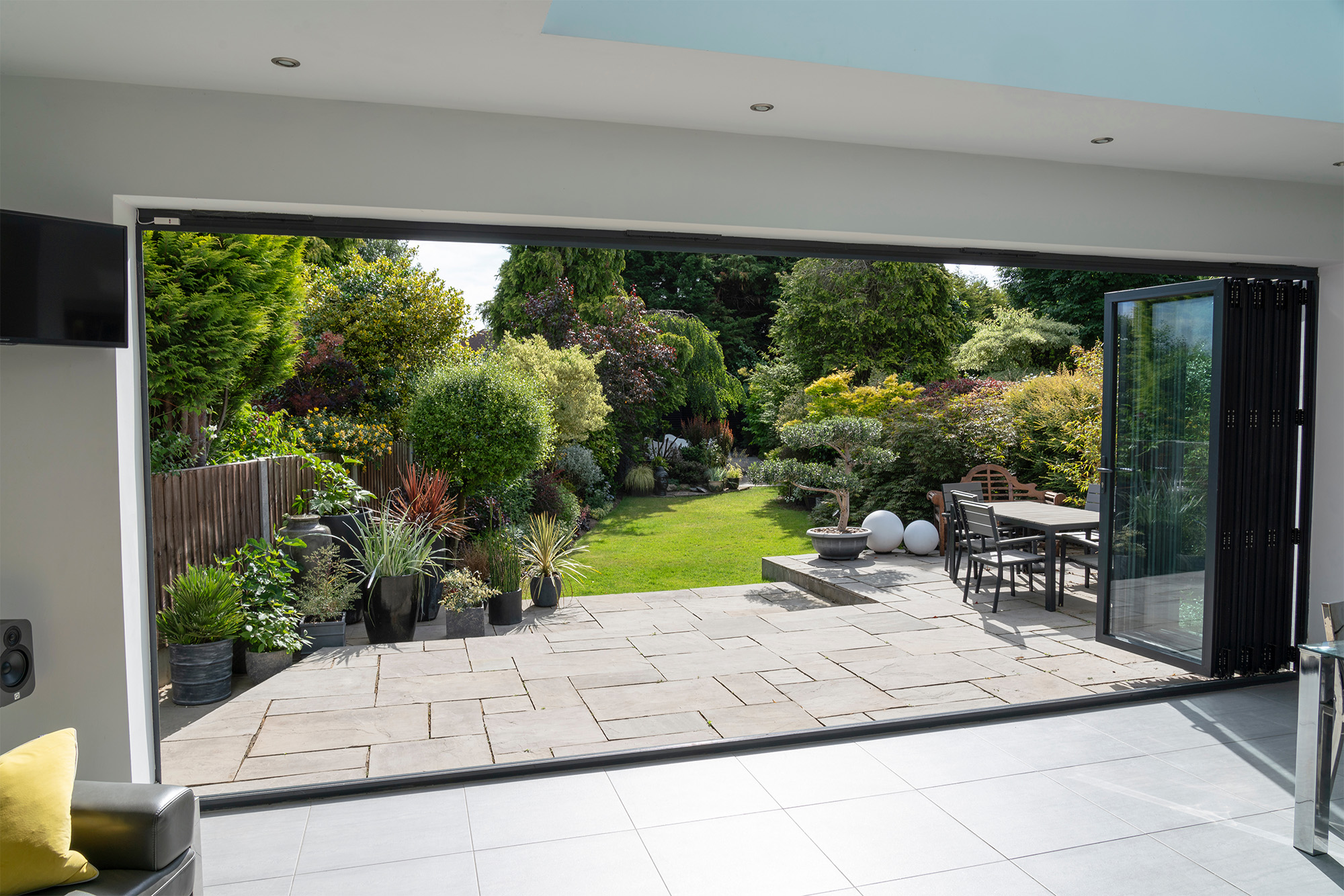
In Bradenton, outdoor living is often an extension of everyday life. A lanai can become a place for morning coffee, relaxed family dinners, weekend entertaining, or a quiet break from the day's heat. Because these spaces sit between the comfort of the home and the elements outside, every design choice has to work a little harder. Flooring, in particular, needs to look inviting while standing up to sun, rain, changing temperatures, and regular foot traffic.
Tile can be an excellent option for a covered lanai or other outdoor living area when the product is specifically rated for the intended application and installed over a suitable substrate. The challenge is that not all tile is designed for outdoor use. Color and appearance are important, but slip resistance, water management, installation requirements, and exposure conditions deserve equal attention.
Start by Understanding How Your Lanai Is Used
Before browsing tile colors, consider the space itself. Is the lanai fully enclosed, screened, covered, or exposed to wind-driven rain? Does water regularly reach the floor? Is the area beside a pool, garden, or outdoor kitchen? Will it be used mainly for quiet relaxation or for frequent gatherings where people move between the house and yard?
These details influence the type of tile and installation system that may be appropriate. A protected, enclosed sunroom can have different requirements from an uncovered patio that receives direct rain. A floor near a swimming pool may need different slip-resistance considerations from one beneath a deep roof overhang.
It is also worth assessing the existing surface. Concrete slabs can develop cracks, drainage problems, or uneven areas that affect the suitability of a new tile installation. A visually attractive tile cannot compensate for an unstable substrate or a surface that allows water to collect where it should not.
Porcelain Tile: A Strong Candidate for Outdoor Applications
Porcelain tile is often considered for outdoor living areas because many products have low water absorption and durable surfaces. However, the word “porcelain” alone does not guarantee that a tile is appropriate for every outdoor location. The specific product must be approved for the intended use, including its exposure to weather and the level of foot traffic it will receive.
Check the manufacturer's specifications for exterior suitability, water absorption, freeze-thaw performance where relevant, and recommended installation methods. Florida's climate may not present the same winter conditions as northern states, but a tile's outdoor rating and compatibility with the installation environment still matter.
Surface texture is another important consideration. A polished finish may look sophisticated indoors, yet it may be unsuitable in an area that becomes wet. Textured or slip-resistant finishes may provide more appropriate traction, depending on the product and application. No tile is automatically slip-proof, so the intended use and manufacturer's guidance should inform the decision.
Choose a Surface That Balances Appearance and Traction
Outdoor flooring needs to be considered under both dry and wet conditions. A smooth tile may be easy to wipe clean, but the same surface could feel less secure when rain or splashes are present. A heavily textured tile may offer additional grip, but its texture can influence how easily dirt and debris are removed.
Look for product information that addresses the intended environment rather than relying on a salesperson's description or a tile's appearance alone. If the lanai is near a pool or frequently exposed to water, ask about the manufacturer's slip-resistance guidance for that specific application. Local building requirements may also apply, especially for areas connected to pools or other regulated spaces.
Think about maintenance as part of the decision. A surface with moderate texture and a suitable finish may provide a practical balance between traction and cleaning. Consider how much sand, soil, pollen, and leaf debris the space receives throughout the year. The best tile is one you can comfortably live with, not simply one that looks impressive on installation day.
Use Color to Connect Indoor and Outdoor Spaces
One of the most effective ways to make a lanai feel like a natural extension of the home is to create a thoughtful visual relationship between the interior and exterior flooring. The materials do not have to match exactly. Similar undertones, complementary colors, or related patterns can establish continuity without sacrificing the practical requirements of each space.
Warm beige, sandy taupe, and soft gray tiles can complement Florida-inspired interiors, especially when paired with natural wood furniture, woven textures, and greenery. Stone-look porcelain offers the appearance of limestone or other natural materials with the performance characteristics of the selected tile product. Concrete-look finishes can create a more contemporary atmosphere, while subtle veining adds visual movement without overwhelming the setting.
Before choosing a color, view samples in the actual space. Outdoor light can make pale tile appear brighter and can reveal undertones that are less noticeable indoors. Dark surfaces may absorb more heat in direct sunlight, so the amount of sun exposure should be considered when selecting tile for areas where people may walk barefoot.
If the interior uses wood flooring, a tile with a related warm or neutral tone can create a coordinated transition. The aim is not to imitate the indoor floor perfectly but to make the two spaces feel connected while allowing each material to perform its intended role.
Wood-Look Tile for a Relaxed, Natural Style
Homeowners who appreciate the appearance of wood may want to consider wood-look porcelain tile for suitable outdoor applications. These products use printed designs and surface textures to recreate features such as grain patterns, knots, and tonal variation. They can provide a natural-looking visual effect without using real wood planks in an area where exposure conditions may be challenging.
Wood-look tile is available in a range of colors, from pale oak-inspired shades to weathered gray and deeper brown finishes. The design can work particularly well with coastal, transitional, or contemporary outdoor furniture. Long rectangular tiles can suggest the rhythm of wood planks, while varied patterns help create a more natural appearance.
Installation layout makes a significant difference. A staggered arrangement may evoke traditional plank flooring, but the installer should follow the tile manufacturer's recommendations for offset patterns. Some long tiles can have slight curvature, and an unsuitable layout may increase the risk of uneven edges between adjacent pieces. A qualified installer can help determine the pattern that best suits the selected tile.
It is also important to distinguish between the appearance of wood and the experience of real wood. Tile will feel different underfoot, and grout joints remain part of the design. When the priority is a natural aesthetic combined with a tile surface suitable for the application, wood-look porcelain may be worth exploring.
Drainage and Installation Matter as Much as the Tile
Outdoor tile performance depends on more than the material itself. Water must be directed away appropriately, and the substrate, mortar, grout, movement joints, and waterproofing details must be suitable for the specific installation. Water that collects beneath or around tile can contribute to long-term problems, even when the tile itself absorbs very little moisture.
Before installation, the existing slab should be evaluated for cracks, slope, stability, and other conditions that could affect the finished floor. The installer should identify any necessary repairs and confirm that the proposed tile assembly is suitable for the site. Where waterproofing or specialized exterior systems are required, those components should be selected and installed according to the relevant specifications.
Movement joints are especially important in installations exposed to sunlight and temperature changes. Materials expand and contract as conditions change, and the installation system must accommodate movement in accordance with the applicable standards and product instructions. Skipping necessary details to save time can undermine the entire project.
Grout selection also deserves attention. Choose a grout appropriate for the tile, joint width, exposure conditions, and maintenance expectations. Regular cleaning and timely attention to damaged grout or sealant can help keep the surface in good condition, although grout and sealant requirements vary by product.
Plan for Furniture, Traffic, and Maintenance
Consider how furniture will sit on the finished surface. Outdoor dining chairs may be moved repeatedly, while heavy planters can concentrate weight in small areas. Furniture pads can help protect the surface from scratching, and planters should be positioned to avoid persistent moisture or staining where possible.
Think about the route between the kitchen, living room, yard, and outdoor seating area. A lanai that serves as a main passageway may need a more practical finish than one used only occasionally. Entry mats can help reduce the amount of sand and debris tracked across the surface, and regular sweeping prevents grit from becoming a source of abrasion.
For routine cleaning, use a method and cleaner compatible with the tile and grout. Avoid assuming that every household chemical is suitable for every surface. The manufacturer's care recommendations are the best starting point, particularly for textured tiles or specialized finishes.
Create a Lanai That Works Beyond the First Impression
A successful outdoor flooring project brings together appearance, comfort, and performance. The right tile should suit the way the space is used, complement the home's design, and meet the technical requirements of its exposure conditions. By considering these elements before installation, Bradenton homeowners can create an outdoor area that feels intentional and is easier to maintain.
Georgia Carpet and Floors helps homeowners explore flooring options for a variety of renovation projects. Browse the available tile flooring selection to begin comparing styles, then contact the Bradenton team to discuss your project and request an estimate. A carefully chosen tile can help turn a lanai into a more inviting part of the home while respecting the practical demands of Florida living.


